 647-740-8602
 info@ontarioliftrepair.ca

About Us
We denounce with righteous indignation and dislike men who we are to beguiled demoralized by the charms of pleasures that moment, so we blinded desires, that they indignations.
Conatct Us
54B, Tailstoi Town 5238 MT,
La city, IA 522364


54B, Tailstoi Town 5238 MT,
La city, IA 522364
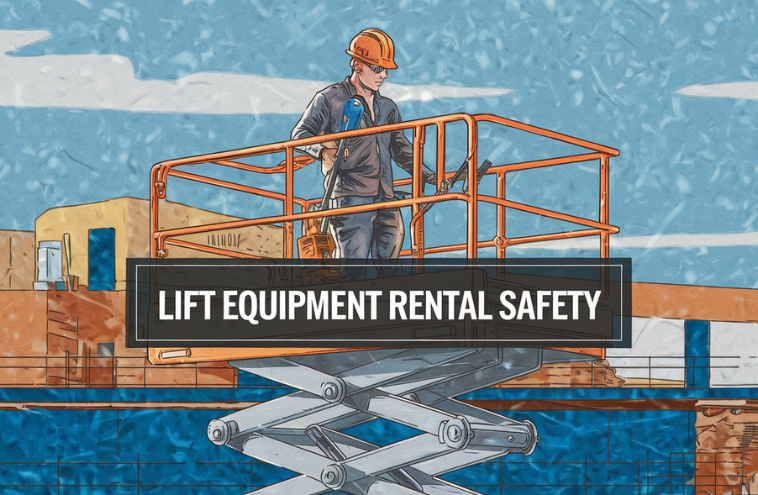
Lift equipment rental safety is very important for protecting workers and confirm smooth operations. Appropriate practices can reduce the risks and build a secure work setting. This guide outlines essential steps to follow when using lift equipment rental services.
Focus on training inspections and clear communication. Prioritize load limits and site preparation. Address weather challenges and emergency plans. Adhering to these protocols maximizes lift equipment rental safety. Every worker must understand their role in maintaining safety standards.
By following these guidelines teams can operate rented lift equipment confidently and efficiently. Safety remains the foundation of successful lift equipment rental projects.
All personnel handling rented lift equipment must complete certified training programs. Training must include detailed lessons on equipment controls load limits and emergency protocols. Untrained workers should never use any rented lift equipment under any situation.
Skipping training increases risks of accidents injuries and equipment damage. Prioritize safety by ensuring every team member is fully qualified before accessing machinery.
Always examine rented lift equipment before starting tasks. Check for visible damage leaks cracks or worn parts. If any issues are found report them to the rental provider right away. Do not attempt repairs unless authorized.
Never use faulty equipment as it can lead to various issues or create hazardous situations. Confirm all components function properly including brakes hydraulics and safety guards. A thorough inspection reduces downtime and prevents workplace incidents.
Strictly adhere to the maximum load limits specified for rented lift equipment. Overloading causes instability tipping or structural failure. Verify weight limits with the rental provider and review load charts provided with the machinery.
Distribute loads evenly and avoid placing excess weight on any single part. Ignoring capacity guidelines jeopardizes operator safety and equipment integrity. Clear communication with the rental team ensures correct usage based on job requirements.
Before starting any task prepare the lift equipment zone by removing all obstacles. Use barriers or bright cones to mark clear boundaries. Check the ground surface to make sure it is stable and even. This prevents slips or sudden shifts during operations.
Restrict access to only trained workers while equipment is in use. Unauthorized individuals must stay outside the marked area at all times.
Every worker must wear a helmet harness and sturdy non-slip boots. Inspect all safety gear before use. Look for tears frayed straps or weak anchors on harnesses and lanyards.
Replace damaged items immediately. Follow the safety instructions provided with the lift equipment model being used. Never skip steps or ignore gear requirements even for quick tasks.
Weather plays a big role in lift equipment safety. Strong winds rain or ice can create dangerous working conditions. Stop work immediately if storms develop or wind speeds exceed safe limits. Check weather forecasts daily and plan tasks around clear periods.
If unsure about safety during changing weather contact the equipment provider for specific advice. Never take risks with unstable conditions.
Clear steps must be in place for handling emergencies during lift equipment use. Workers should know how to shut down machinery quickly and safely. Training sessions must cover evacuation routes and assembly points. Regular drills help reinforce these actions.
First aid kits should be stocked and placed in visible areas. Fire extinguishers need to be checked monthly and kept within easy reach. Immediate reporting of hazards prevents larger incidents.
Reliable communication is critical during operations. Radios or hand signals should be used to stay connected between operators and ground teams. All parties must confirm instructions before moving equipment.
Misunderstandings can cause delays or injuries. Daily briefings ensure everyone knows their roles. Visual checks and verbal confirmations reduce errors. If communication fails work stops until the issue is resolved.
After use inspect the equipment for damage or wear. Report any issues to the provider right away. Follow the return checklist provided by the rental company. Clean the machinery and secure all parts before handing it over.
Proper storage prevents rust or deterioration. Handling equipment with care ensures it stays safe for the next user. Timely returns avoid penalties and build trust with providers.
Adhering to lift equipment rental safety protocols is vital for protecting workers and ensuring smooth operations. Proper training and thorough inspections of lift equipment rental units prevent accidents. Always follow load limits and secure work zones to maintain stability. Use required protective gear and monitor weather conditions closely.
Clear communication and emergency plans support safe lift equipment rental tasks. Team collaboration ensures all safety steps are followed. Report issues promptly and return equipment as instructed. Prioritizing lift equipment rental safety fosters a secure work environment and reduces risks. Consistent practices protect teams and uphold project success.
Also Read: Why Timely Telehandler Service Prevents Expensive Repairs


Leave A Comment