 647-740-8602
 info@ontarioliftrepair.ca

About Us
We denounce with righteous indignation and dislike men who we are to beguiled demoralized by the charms of pleasures that moment, so we blinded desires, that they indignations.
Conatct Us
54B, Tailstoi Town 5238 MT,
La city, IA 522364


54B, Tailstoi Town 5238 MT,
La city, IA 522364
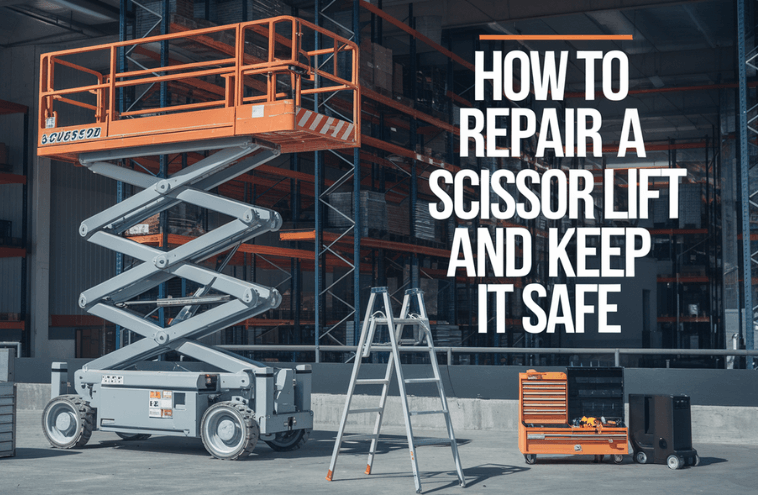
Scissor lifts are essential equipment for lifting heavy loads and providing access to hard-to-reach areas. However, like any piece of machinery, scissor lifts require regular maintenance and occasional repairs to keep them running smoothly.
Understanding how to repair a scissor lift not only enhances its lifespan but also ensures that it remains safe for operators. This comprehensive guide will walk you through essential steps and best practices for scissor lift repair.
Before diving into the repair process, it’s important to understand the key components of a scissor lift:
Familiarity with these components helps identify issues during scissor lift repair.
Knowing the common problems can make scissor lift repair easier and more efficient. Here are some frequent issues and their solutions:
Hydraulic systems are prone to leaks, which can drastically reduce the lift’s effectiveness. If you notice that the lift is not reaching its full height or is lowering unevenly, a hydraulic leak may be the cause.
Solution:
Battery failure is a common problem in electric scissor lifts. If the lift is not powering up or the battery doesn’t hold a charge, it could be due to a faulty battery.
Solution:
If the lift platform fails to extend or lower correctly, it could be due to a problem with the hydraulic system or control mechanisms. Solution:
In electric and diesel-powered scissor lifts, the motor can overheat if it is overworked or not well-maintained.
Solution:
Prevention is always better than repair. To ensure that your scissor lift remains in good working condition, implement the following maintenance practices:
The moving parts of a scissor lift, especially the scissor arms, need regular lubrication to prevent wear and tear. Lubricating these parts helps reduce friction and ensure smooth movement.
Tip: Use high-quality grease on pivot points and moving parts. Check for any signs of friction or wear during regular inspections.
A scissor lift’s tires are responsible for its mobility. Ensure that the tires are inflated to the correct pressure and that there is no visible damage. Worn or deflated tires can make the lift harder to control and reduce safety.
Tip: Inspect tires for wear, punctures, or damage every time the lift is used. Replace worn tires immediately to avoid operational issues.
Safety is paramount when working with scissor lifts. aRegularly test the lift’s emergency stop system, safety harnesses, and platform guardrails to ensure they function correctly. Check that the tilt sensors and load capacity sensors are operational to avoid accidents.
Dirt and debris can build up in the hydraulic system, motors, and on the lift platform. Clean the scissor lift regularly to prevent damage to its components.
Tip: For planned forklift maintenance, use a soft brush to remove dirt from sensitive parts and a mild detergent to wash the platform. Avoid using harsh chemicals that may damage the lift’s finish or components.
While basic scissor lift repair can be done by operators with the right tools and knowledge, some issues require professional attention. Call a certified technician in the following situations:
A certified technician has the necessary expertise to diagnose and repair more complex issues, ensuring the lift is safe for operation.
Regular scissor lift maintenance and repair not only extend the lifespan of the equipment but also enhance safety for the operators. Always follow manufacturer guidelines, use proper tools, and perform regular inspections to ensure smooth operation. Whether you are handling minor repairs yourself or hiring a professional for more serious issues, knowing how to repair a scissor lift can prevent costly downtime and ensure your equipment remains reliable and safe.
By following the steps outlined in this guide, you’ll be well-equipped to keep your scissor lift in top condition, reducing the likelihood of mechanical failures and ensuring a safe working environment.
Also Read: Can You Drive a Telehandler on the Road in Canada 2025?


Leave A Comment